



Get in Touch
Recent posts

 Swati Arora , Partner at Kreston Menon and Hayford Integral Training Institute
TRENDS FOR TOMORROW
The Abu Dhabi Sustainability Week Future Skills 2030 Report identified the driving sources that will shape the future of jobs and skills in the world. The technological advancement is bound to open new horizons in the fields of automation, artificial intelligence and robotics, big data and data analysis, virtual reality and augmented reality. The global drive towards sustainability will create a new set of green jobs in alternative energy and waste management.
The current Fourth Industrial Revolution has forced every industry to undergo rapid changes and the existence of businesses will depend on how well they adapt to the new unique skills that do not exist today.
INVESTING IN YOUR PEOPLE
It is true that organizations are keeping pace with the market and technological advancements to capitalize on the business opportunities, but they can have a significant competitive advantage only if they have the ability to address the skill gaps and upskill their workforce.
Rapid advancements in technology have brought in the need of training existing employees on new technologies and tools, and upskilling existing workers who already know the organization, processes and clients will be much effective than bringing in new people. It is a universally proven fact that reskilling is a smaller investment than hiring and training a new worker. There will be a positive impact on the morale of the employees as they are given the opportunity to stay relevant, productive and effective in the competitive and constantly changing job market, where many industries are being disrupted by new technologies.
How to Upskill Your Workforce
Organizations should have a comprehensive upskilling strategy in order to cater to the requirements of the future. The strategy should lay down concrete plans and programs to provide the employees with the necessary knowledge and skills to adapt to changing technologies, work situations and job profiles. The various methods to Reskill and Upskill your workforce include:
Training programs: Specific training programs that focus on developing the skills and knowledge relevant to the requirements and objectives of the organization. The cost the organization incurs for in-house training programs, or the financial support provided for the employees to attend external courses will prove as the right investment decision to stay competitive.
Cross training and Job rotation: Progressive companies train and develop their team members to take up totally different roles within the organization, allowing them to develop their career by equipping them to acquire new skills and gain new experiences.
E-Learning programs: Organizations can encourage and support employees to enroll for specialized online learning programs which will help them learn new technologies and practices.
Conferences and workshops: Providing opportunities for employees to attend industry specific conferences and workshops can provide them with opportunities to learn from industry experts.
INVESTING IN YOURSELF
It is critical for any professional to learn new skills or improve existing ones to increase their knowledge, expertise and value in the job market.
Professional upskilling opportunities are available to individuals at all levels of their careers in the UAE. Universities, colleges, and vocational training centers provide formal education. These institutions offer various courses, including short-term certificates and long-term diplomas.
Besides formal education, there are many other ways to upskill individuals. Professional training companies offer professional development programs ranging from professional degree preparation to leadership and management courses to technology courses. Individuals can also upskill themselves online through a variety of platforms and resources which can be accessed from anywhere.
Professional upskilling, and thereby remaining updated, is a critical factor for anyone looking to grow their career in the UAE’s rapidly evolving job market. Remember, upskilling is an ongoing process. Make it a habit to continuously learn and develop your skills to stay competitive in your industry.
SKILLS IN DEMAND IN UAE
The UAE job market is quite diverse and very futuristic. As the economy is seeing a surge in investments in technology, infrastructure and energy, there is a huge demand for highly skilled workforce.
Digital and Technology Skills – The UAE is rapidly moving towards digitalization, which has increased the demand for professionals with digital and technology skills such as data analysis, artificial intelligence, cybersecurity, digital marketing and software development.
Healthcare – Healthcare professionals especially doctors, nurses, pharmacists and researchers in pharmaceuticals are in high demand.
Digital Marketing – No longer a novel field, it has now evolved into a must-have function for organizations and skill for marketeers. Every organization need digital marketing professionals to help them connect with the world.
Blockchain – The understanding of this technology with huge multi-function application possibilities is still in the process of being probed and discovered. It has applications in Finance, HR, Procurement, Quality management, Contract management… the list is growing!
Cryptocurrency Management – This is a rapidly evolving and growing field. With greater exposure and greater number of players, its great flexibility and security in use, cryptocurrency is poised to become an indelible part of finance function in most companies.
Metaverse – Only a few institutions have the expertise to provide training in the Metaverse. This is touted as a parallel universe in the days ahead.
Finance and Accounting – Finance and accounting professionals, particularly those with qualifications such as Chartered Accountant (CA), Certified Public Accountant (CPA) or Certified Management Accountant (CMA) are in high demand in the UAE.
Hospitality and Tourism – Job opportunities for trained hospitality professionals are plenty, as the hospitality and tourism industry is a significant contributor to the country’s economy.
Human Resources – Employers in the UAE are looking for professionals with strong people management and recruitment skills to help them attract, manage and retain talent.
Sales and Marketing – We talk about bots taking away sales and customer care jobs, but professionals with strong communication, negotiation and customer relationship management skills are still sought after.
ENGAGE A PROFESSIONAL TRAINING COMPANY
Engaging a professional training company to upskill your workforce has its own benefits. Their expertise and experience give them the edge in designing and delivering effective training programs apt for your field. Many training companies design training programs designed for the specific needs of your workforce.
Efficiency and effectiveness: Professional training companies can save your organization time and money by delivering training programs efficiently and effectively. They can ensure that the training programs align with your business objectives, are delivered on time and have a measurable impact on performance.
Such institutions having access to a range of resources, including industry-specific research, cutting-edge technologies and best trainers can help your organization stay up to date with the latest trends and advancements in your industry.
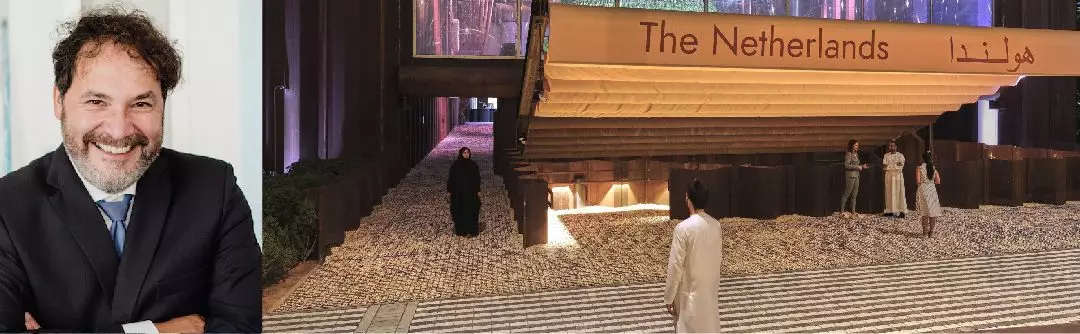 His Excellency Carel Richter , Consul General of the Kingdom of the Netherlands for Dubai & Commissioner General of the Netherlands
This year, 2022, marks fifty years of bilateral relations between the United Arab Emirates and the Kingdom of the Netherlands. Our ties are warm and friendly, and we are full of anticipation for the next fifty years. With our successful Expo 2020 Dubai participation still fresh in mind, we have a lot to look forward to.
Food Security
As I am writing this article, H.E. Minister Mariam Almheiri is heading a trade delegation to the Netherlands, focused on food security and horticulture. More than 30 representatives from the Emirati horticultural sector joined her to visit GreenTech – a leading 3-day horticultural technology exhibition in Amsterdam – and the Floriade Expo 2022. On the first day of her visit, Minister Almheiri addressed the pressing topic of food security in her keynote opening speech at GreenTech: “Just as the Netherlands have looked at innovation and technology, we are doing the same — to really look into what kind of foods make sense to grow in the UAE, harnessing the power of technology.”
The Netherlands is the second largest exporter of agricultural produce in the world, while also one of the most densely populated countries. By co-creating technologies with partners from the private sector and knowledge institutions, we work to find solutions to global challenges, using expertise from areas such as artificial intelligence and robotics. Optimizing local production with a minimal usage of scarce resources, is key in what the Netherlands stands for.
Being a partner for other countries in increasing food security, be it through knowledge or technology transfer, is very important for the Netherlands. Logistical costs make global supply less economically feasible. The pandemic has shown us how fragile supply chains can be. The war in Ukraine not only impacts the people of Ukraine. In our region, food prices are increasing and foreign powers knock on the door to secure energy supply.

Floriade Expo 2022
The city of Almere in the Netherlands is the stage for the seventh edition of the international horticulture exhibition – Floriade Expo 2022. Floriade is organized only once every ten years and the main theme of this edition is ‘Growing Green Cities’. This outdoor Expo lasts six months and is open till October 9th, 2022.
The UAE is a prominent participant, with a stunning 3D printed pavilion, with the theme ‘Salt Water Cities: Where land meets the sea’. The pavilion exhibits how the UAE has been resilient and was able to overcome the challenging environment of desert and sea to grow into sustainable and thriving communities. Featuring interactive sculptures and immersive installations, the UAE pavilion is a living lab encouraging visitors to learn about the abundance of salt-loving plants that thrive in the country’s challenging arid climate.

Uniting Water, Energy and Food
The UAE and the Netherlands share many commonalities, including the importance of innovation and “making the best of what we have”. The UAE has done an outstanding job in the execution of the mega project Expo 2020 Dubai, especially given the challenges the pandemic posed. It was an honor to be part of this world exhibition, where the whole world was represented, highlighting the aspirations of humankind. Our participation in Expo 2020 Dubai is exemplary of the Dutch approach when it comes to innovation. With the multi-year, regional strategy themed “Uniting Water, Energy and Food”, architect V8 led a consortium that put together a fully circular biotope in the Dubai desert. The “SunGlacier” machine on the roof of the pavilion captured 1,200 liters of water per day from the air.
This water was used for three purposes: cooling the pavilion, as drinking water, and for watering the edible herbs and leafy greens that grew on the central cone in the pavilion. On the inside of the cone, we grew delicious oyster mushrooms. The water harvesting machine was powered by beautiful organic solar cells, built into the skylights of the pavilion. All the construction materials for the pavilion were sourced locally. We are deconstructing the pavilion and repurposing all the materials, preferably in the form they were originally intended for. The characteristic sheet piles, for instance, will be used in other construction projects up to ten times!
As a result of all the innovation and hard work done in the Netherlands pavilion, we can proudly share with you that we have received over 10 awards including the “Best Sustainability innovation” and “Best Architecture & Landscape”.

Continued Focus
In our journey to unite Water, Energy and Food, Expo 2020 Dubai was instrumental. We have had the honor to host many VVIPS, delegations and over 950,000 visitors. Our national day was an absolute highlight, with the visit of our royal couple, as well as a trade mission headed by our minister for Foreign Trade and Development Cooperation. The MoU for the Joint Economic Committee was signed during this visit, with the aim to intensify bilateral trade. We have hosted 125+ events at our Expo pavilion, all with a focus to further develop the ties between the UAE and the Gulf region and the Netherlands.
With the progressive measures the UAE takes to be an even more business friendly destination, we see increased interest in the UAE by our Dutch clients, the Netherlands’ businesses. Building on the facilities freezones have to offer, the initiatives taken facilitate FDI and 100% foreign ownership, and the excellent positioning as a hub, we see a steady increase in business set-up and expansion. The UAE is an important trading partner for the Netherlands, ranking 3rd in the EU as trade partner and being one of the top priority countries in our foreign economic policy. Moreover, the Gulf region is a priority region for the Netherlands, providing the proverbial magnifying glass for all opportunities that arise here.
Momentum
Building on the strategy of Uniting Water, Energy and Food, where Expo 2020 Dubai has proven to be an accelerator for our bilateral interests, we’re now in the midst of celebrating our 50 years of bilateral relations with the UAE. This momentum is worth treasuring, especially with more relevant events coming up. With anticipation we’re looking out to the next big climate conference COP28. This theme is at the core of what drives us; jointly developing solutions for global challenges, that make a difference for the generation of today as well as for those to come.
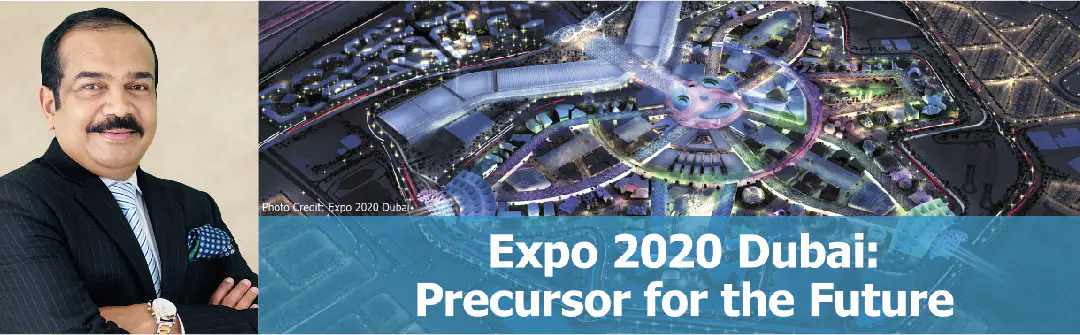 Sudhir Kumar , Senior Partner & Head of Corporate Communications - Kreston Menon and Director - Kreston Global Board
World’s Mega Event
The UAE has taken the global center stage with the opening of Expo 2020 Dubai which is termed rightly as the extravaganza of business, technology, connectivity, and culture. One may wonder on the long term objectivity of this mega event, but the policymakers of the UAE are confident about the long term economic legacy the Expo is bound to create.
With 191 country pavilions and themed exhibitions at the Opportunity, Mobility and Sustainability pavilions, the eagerly awaited Expo 2020 Dubai is expected to draw in more than 25 million visitors.
Many countries and large companies are looking to the expo, which is the first major global event open to visitors since the pandemic, to spur economic activity and boost investor confidence.
Expo 2020 Dubai will showcase the latest and boldest innovations across the globe and will be a platform to present solutions to the future for the world in quest for remedies.
UAE – Today and Future
UAE’s approach to future and progress are reflected in the words of His Highness Sheikh Mohammed Bin Rashid Al Maktoum, Prime Minister of the UAE and Ruler of Dubai, “The future belongs to those who can imagine it, design it, and execute it. It isn’t something you await, but rather create.”
The UAE has set its target high to be the numero uno in all the competitive indexes by the centennial anniversary of the Union in 2071. The aspiring national strategy “Towards the next 50” aims to represent the UAE’s next 50 years, building on the foundation of the progress made in the past 50 years.
The roadmap chartered by the UAE for the future includes visionary initiatives like the UAE Centennial Plan 2071, Food Security Strategy 2051, Dubai Clean Energy Strategy, Fujairah 2040 plan, National Advanced Sciences Agenda 2031, Abu Dhabi Economic Vision 2030, Environment Vision 2030, Dubai Industrial Strategy 2031, Plan Abu Dhabi 2030, Dubai 2040 Urban Master Plan, United Global Emirates and Make it in the Emirates and these programs will be guided by the recently announced ‘Principles of the 50′.
Currently, the UAE is placed very high on World Bank’s annual ease of doing business ranking and is always streamlining the processes to better the position. The UAE is the only Arab Country to be listed in the top 10 competitive countries for 4 consecutive years. Dubai has been ranked the fifth best city in the world and was hailed for its innovation, infrastructure, iconic landmarks and world class entertainment.
The credit of the UAE being ranked third among 27 emerging global economies goes to the leadership’s long term strategies on being a testbed for imagining, designing and executing future innovations.
The economic and political environments which are highly conducive for businesses to thrive make the nation a favourable destination for enterprises across the spectrum – from large multinational conglomerates, small and medium businesses to fleet-footed, innovative startups.
The decisive economic measures and new amendments to the residency and investment legislations initiated by the leadership of UAE has stimulated the flow of foreign investments into the country.
The word ‘futuristic’ has become synonymous with the UAE, as a country that not only embraces the future, but courageously create it!
Expo and the UAE Economy
The positive impact of Expo 2020 Dubai, which is arguably the world’s largest event is already visible in almost all the spheres of life, especially among businesses in the UAE. The local businesses are showing immense confidence and strong optimism and the immediate results are seen in key sectors such as travel and tourism and hospitality, with the influx of foreign visitors arriving for the mega event.
The global investment forums, investor pitching conferences and the networking opportunities at the Expo 2020 Dubai is set to create lot of investment interests from across the globe. Even if 0.5% of the visitors decide to invest in businesses in the UAE, we are talking about 125,000 new set ups!
The International Monetary Fund (IMF) has forecasted an economic growth of 3.1% this year for the country, which is higher than the Central Bank’s estimate which projected that the UAE economy will expand 2.1% this year.
The second-biggest Arab economy is expected to reap benefits of the Expo for the next nine years as the Expo legacy is going to drive more international investments. Expo 2020 is expected to give a significant boost of USD33 billion to the UAE economy and is estimated to add more than 900,000 jobs between 2013 (Expo awarded year) and 2031.
UAE’s banking assets are expected to grow by 10% next year, as the Expo has given a much needed impetus to the UAE economy, while other economies are still trying hard to recover from the pandemic-driven slowdown.
A diversified portfolio of public-private partnership (PPP) projects worth more than 25 billion Dirhams was recently announced by Dubai on the sidelines of Expo, which includes projects in the urban development, road and transport as well as health and safety sectors. It is noteworthy that the total value of Dubai’s existing and announced PPP projects now exceeds 65 billion Dirhams. In addition to the fiscal benefits, PPP is a way forward in involving private capital for economic diversification, attracting FDI and promoting local businesses and start-ups, thus help Dubai in creating a sustainable economic growth model.

As the stage is set with the 100% foreign ownership legislation, the visa reforms, ease of arbitration and excellent infrastructure, Dubai is set to see a transformation of industries from fintech to food production. Foreign investments are expected in key sectors particularly those associated with the knowledge economy and advanced technologies which includes Artificial Intelligence, the Internet of Things, Blockchain, innovative medical technologies, high-speed transportation, augmented virtual reality, self-driving cars and renewable energy.
The Expo 2020 will definitely attract more investment and talent to Dubai and the UAE, as this mega show will be showcasing the exciting opportunities not only for entrepreneurs and businesses but also for creative and innovative individuals.
 His Excellency Omar Ahmed , Suwaina Al Suwaidi
When His Highness Sheikh Mohammed bin Rashid Al Maktoum, Vice President and Prime Minister of the UAE and Ruler of Dubai, launched the UAE’s National Strategy for Industry and Advanced Technology earlier this year, he ushered in a new era.
Known as Operation 300bn, the strategy provides a clear roadmap for the UAE to become a world-leading industrial hub within the next decade. With its focus on developing our capabilities in industries of the future like space, green hydrogen and biotechnology, the announcement instantly attracted widespread attention from a swathe of international investors, policymakers and commentators. The consensus that emerged was that this latest – in a long line – of bold moves from the UAE’s leadership, marked a quantum leap for the nation’s industrial sector.
At its heart, the strategy aims to increase the industrial sector’s GDP contribution to AED300 billion by 2031 by accelerating the adoption of advanced technology across the value chain. This, we firmly believe, will boost productivity, generate added in-country value, create a raft of new, highly skilled jobs for the nation’s emerging talents, further diversify our economy and enhance global competitiveness.
In short, we are setting out to transform the industrial sector into a key driver of sustainable growth – and a pillar of the national economy. We will turbocharge existing industries where we have an established presence, and we will venture to new frontiers by leveraging advanced technologies and Fourth Industrial Revolution (4IR) solutions and applications. We will research what the future could look like, and we will develop the technologies to take us there.
Under the new strategy, innovation will not be a mere buzzword. It will be our de facto approach to industry as we cultivate a culture of ingenuity and entrepreneurship, and encourage everyone, from around the world, to come and make it in The Emirates.
Solid grounds
Though it sets a new tone for the UAE, this strategy was not developed out of the blue. Boasting the strongest credit ratings in the region, the UAE has long enjoyed investment safe haven status, with enviable economic stability and a promising growth landscape; bolstered by its strategic location, robust financial reserves, huge sovereign wealth funds, and sustainable government spending that ensures a healthy economic cycle.
Energy resources and raw materials required for industrial use are also available at competitive costs. Furthermore, UAE-based manufacturers can take advantage of laws that guarantee full ownership rights for foreigners in 122 economic activities across 13 sectors – soon to be expanded to cover the majority of industrial sectors – which will come into full effect as of 1 June 2021. Combine this with zero percent corporation tax and a wealth of accessible geographic locations and specific business zones ready to boost further industrial development, and it is easy to see why so many global, regional and local manufacturers were already developing their businesses in the UAE. Simply put, the UAE is an ideal strategic market for the world’s most innovative companies, reached new levels of high-tech excellence worldwide.
An appealing business landscape
As part of our journey towards enhanced economic diversification, the UAE has long sought to develop policies, procedures and practices that foster the growth of both the national economy and the private sector.
Our efforts here speak for themselves. The UAE is consistently ranked among the top countries around the world in key economic competitiveness and ease of doing business indices. This is largely as a result of the many incentives, legal and logistical facilities, and collaborative regulatory environment we have introduced for businesses over the years. The results speak for themselves; we are proud to support a stable private sector with an ambitious growth agenda.
The UAE has a transport and logistics ecosystem that’s considered the most efficient and comprehensive in the region, and one of the easiest to reach from anywhere in the world, via 10 airports and 12 seaports. With a handling capability of more than 17 million tons annually and a cargo capacity of 80 million tons, the UAE sits at the intersection of Asia, Europe and Africa, giving its manufacturers easy access to markets where more than five billion people live.
Enabling Operation 300bn
The Ministry of Industry and Advanced Technology will be the enabler of Operation 300bn. We will be responsible for developing legislative and regulatory frameworks, providing energy at competitive prices, and developing an advanced technology roadmap, a framework for research and development (R&D), and launching the National In-Country Value (ICV) program.
The ICV program is a core component of the UAE’s industrial transformation. It aims to redirect expenditure on procuring goods and services into the national economy. In parallel, the metrology standards developed by Ministry will ensure local industrial infrastructure meets international standards and enable the ICV Program to enhance the competitiveness of local products and services and boost collaboration between the public and private sectors.
To achieve these targets, industry players should prepare to work with the Ministry on the adoption of new and updated industrial laws, the roll-out of digital platforms for services and licensing, the promotion of locally produced goods and the enablement of an R&D ecosystem.
Priority sectors
The strategy leaves no single industry behind but has established a framework through which the current industrial landscape can continue to thrive. Industries with existing national significance, such as energy, petrochemicals, plastics, heavy industries and manufacturing; strategic industries that aim to enhance economic resilience and reduce dependence on global supply chains, such as food, water, agriculture and healthcare; and future industries, such as space, biotechnology, medical technology, sustainable products and sectors that can be supported by 4IR applications.
Enabling these sectors and facilitating the entry of innovators and investors are some of the key pillars of the strategy. Furthermore, the role of the Emirates Development Bank (EDB) as the financial engine of the strategy is crucial. By 2025, the bank will expand its financing portfolio to AED30 billion to support entrepreneurs, startups, SMEs and large corporates, who will help spur the nation’s transition to a knowledge-based economy.
Make it in The Emirates: Gateway to the Future
The strategy is complemented by the first-of-its-kind industrial campaign, ‘Make it in The Emirates’. It’s an open invitation to investors, industrialists and innovators to participate in the growth of the industrial sector in the UAE. The UAE has always been a land of opportunity for those with the talent and imagination to realize their dreams. Our investment environment and openness to global markets and competitive advantages ensure a capital-rich landscape for the industry-minded creator. Consider this your invitation to come and make it in The Emirates. It’s your opportunity to engage with the ministry and to invest in a forward-thinking, industrious, global future.
 Sameer M Nawani , Chief Representative of Dubai Chamber International Office - India
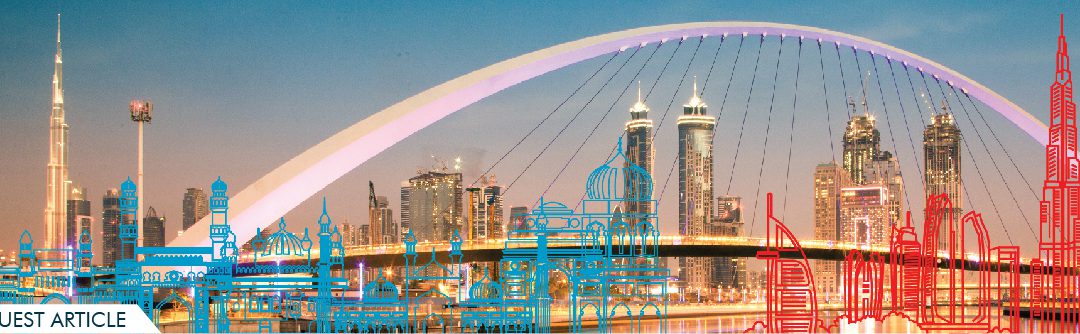
India and Dubai share historic and strong trade and cultural ties. The non-oil trade between India and Dubai has consistently increased over years from $26 billion in 2017 to $36 billion in 2019, making India the second largest trading partner for Dubai. Indians are the largest investors in Dubai’s real estate sector and make up the largest segment of tourists visiting the emirate. The city also is home to over a million Indian nationals, who account for over 30% of the population of the Emirate.
Since 2015, India and the UAE have exchanged several high-level visits, which strengthened the relationship and led to the signing of the Comprehensive Strategic Partnership, an agreement that aims to expand economic cooperation and boost bilateral trade and investment. Given the role Chambers play in mobilizing businesses and promoting trade and investments, India’s Prime Minister Narendra Modi during his visit to Dubai in February 2018, welcomed the idea of Confederation of Indian Industries (CII) opening an office in Dubai and Dubai Chamber of Commerce & Industry opening an office in India. Dubai Chamber opened its first representative office in Mumbai, India, in June 2018. The main objective of the office in India is to identify bilateral business opportunities that businesses in India and Dubai can capitalize on and benefit from.
The year 2020 has not been an easy one. It has put the healthcare systems of global economies through tremendous strain, disrupted supply chains and brought businesses to a standstill. In such times where the world is pressing a reset, the continued exchange between India and UAE is ensuring a smoother turnaround in economic activities. Both governments have been agile in taking the right measures while enhancing ease of doing business. Businesses on both sides are being extremely pro-active in exploring diversification, finding growth opportunities globally, implementing technology and strengthening their supply chain. We have seen growing interest in a number of high-potential sectors, and you can read on to learn more about these opportunities.
Food security and trade
Ensuring food security is high on the agenda for UAE and the pandemic has underlined its importance. India is first globally in milk production, livestock population and millet production and ranks second in fish, rice, wheat, cereals, fruits & vegetables, and total food production. India has the potential to double its food exports from $30 billion in 2019 to $60 billion in 2022. Lack of storage facility and transportation infrastructure results in 30% food losses in India. The India-UAE Food Corridor project is expected to fill this gap, with an investment of $7 billion from the UAE to develop dedicated logistics infrastructure connecting farm to ports in India. This project has the potential to increase the food trade between India and the UAE from $2.2 billion to $7 billion in next five years.
Dubai has developed specialized infrastructure to facilitate global trade of select products. Jebel Ali Freezone (JAFZA) in Dubai, is home to the world’s largest port-based sugar refinery which has a production capacity of 2 million MT and contributes to 3% of the refined sugar production of the world. JAFZA also has a rice hub which handles the storage, processing, and packaging of rice. Around 66% of the rice imported into Dubai comes from India. There are dedicated storage facilities for grains, pulses and other food products at JAFZA.
Dubai Multi Commodity Centre (DMCC), the free zone focused on commodities trade is home to the Tea Centre and Coffee Centre. The Tea Centre is a purpose-built facility dedicated to storing, blending, and packaging of tea. The centre has 5000 MT of storage capacity. The Coffee Centre is a 15000 square metre state-of-art temperature-controlled facility which can be used to store, clean, roast, package and distribute coffee. It also has a coffee quality centre laboratory, cupping lab, and training campus. DMCC in 2020, introduced an agri trade platform called Agriota, which facilitates trade between Indian farmers and international traders.
In 2021, Dubai Chamber is pushing ahead with new initiatives to facilitate collaboration between businesses to connect the infrastructure of Dubai and the production capacity of India.
Retail Opportunities
Retail in India is highly fragmented but transforming at a tremendous pace. It is expected to become a $1.75 trillion market by 2026. India has the second largest population in the world. With a growing middle-class and increasing urbanization, the household incomes are rising, resulting in increased consumer spending. Driven by these developments, India has seen numerous homegrown brands in retail like Lenskart, Nykaa, Forest Essentials, Belgian Waffles, etc. grow at an enormous speed. The young new India is ambitious and aspirational, making it an ideal destination for International brands and retailers, opening doors for retail businesses from Dubai.
Having one of the busiest airports and being one of the world’s most sought-after tourist destinations, Dubai is a great place for retailers and brands to have high international visibility. Dubai ranks number one globally in international brand penetration. Dubai has been among the most popular destination for Indian businesses since a few decades. It endures as an ideal destination for new and fast-growing Indian brands and retailers to learn the lessons of international operations in a dynamic market which echoes global trends, and yet provides a familiar environment close to home.
Technology and scale-ups
India is the third largest start-up ecosystem in the world whereas Dubai is the preferred hub for start-ups in MENA region. Strong regulations, access to funding, sizeable market, thriving start-up ecosystem and access to talent makes Dubai a lucrative destination for start-ups. Numerous Indian start-ups providing tech solutions have seen their solutions being widely accepted by businesses in Dubai, which has given them a strong footing in MENA region as well as helped expand their operations back home.
The pandemic has accelerated the adoption of digital solutions in banking and healthcare. Telemedicine services saw a spike in demand and hospitals rapidly moved to implementing solutions for contactless delivery of services. Digital transformation in banking is a key enabler in boosting business. The ability to be able to pay anyone, anywhere at the click of a button has been a game changer and has seen new business models evolve across sectors. The payments and the venture capital regulations introduced by the Dubai International Financial Centre (DIFC) in 2020 are changing the financial services and funding ecosystem. The DIFC’s Innovation License Program helps innovative tech companies work in a regulated environment and helps DIFC build supportive systems and regulations.
The Dubai Chamber International Office in India along with Dubai Startup Hub, StartupIndia and Mumbai FinTech Hub organized the Dubai Tech Tour, a virtual delegation in 2020, which was joined by promising fintech and health-tech scale-ups. The scale-ups Advarisk, AIkenist, Anatomiz3D, BestDoc, Cube, ePayLater, Karza Technologies, Lucine Rich Bio, Metanoa, Seragen, Supermoney, Turtlemint, Value3 and vPhrase were shortlisted through a rigorous screening process and introduced to key businesses & investors in Dubai. Some of these scaleups are in advanced stages of negotiating their first commercial deals or currently in the process of setting-up in Dubai.
Riding on this success, in 2021, the India Office of Dubai Chamber will focus on RetailTech and introduce tech solutions from India that address the changing needs of retail and e-commerce.
Dubai Chamber currently has a network of 11 International Offices in Latin America, Africa, and Eurasia, dedicated to exploring promising markets and facilitating trade and investments between these regions and Dubai.
 Kreston Menon
 About DSP
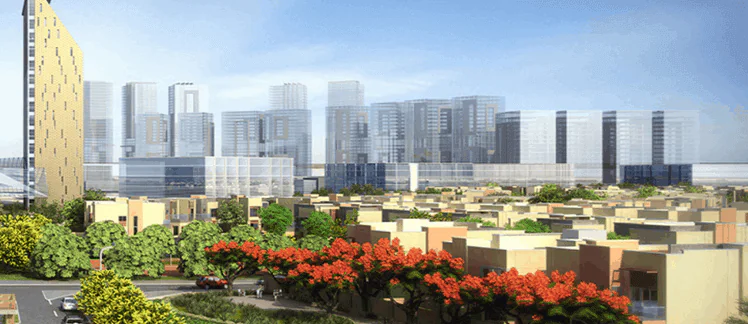
Founded in 2005, Dubai Science Park (DSP) is a vibrant, holistic, science-focused community, dedicated to supporting entrepreneurs, SMEs and MNEs. Since its inception, the community has grown to more than 350 companies, employing over 3,600 professionals in the sciences, energy and environmental sectors. Designed specifically for the needs of businesses and professionals who work in sciences, DSP fosters an ecosystem that supports scientific research, creativity and innovation. It strives to be Dubai’s most innovative and vibrant community for all segments of the science sector and a place where corporates and residents can work, live and flourish.
Its collaborative environment engages leaders in science, research, academia, and business to understand and set industry trends which tackle relevant and current societal and economic issues. With a prime location in Dubai, the science park provides businesses with easy access to key transportation networks.
Supporting local growth
Dubai Science Park aims to play a significant role in Dubai’s Vision 2021 by facilitating a more sustainable and self-sufficient future that maximises the use of local resources and talent. DSP will achieve this by supporting innovation in the sciences by helping companies utilise cutting-edge technology and information to foster growth and change in the areas of human science, plant science, material science, environmental science and energy science.
In 2018, DSP made significant progress towards delivering its mission, which seeks to grow the local science sector by enhancing the ease of doing business within its community. DSP welcomed new business partners, with key inaugurations including BASF, a German construction chemicals firm and the largest chemical producer in the world; Biocad, a leading Russian biotechnology company; and inui Health, an American digital tech company based in Silicon Valley. Most recently, Pharmax Pharmaceuticals, a GMP-licensed international manufacturer and distributor of medications, became the first pharmaceutical manufacturing company to join DSP’s growing community.
DSP nurtures entrepreneurs in the science fields through a fast and easy setup model that allows them to kick-start their projects and innovate. It also helps bridge the gap between academia and businesses, supporting career development within the field of science for students in the UAE. DSP raises awareness about the science industry within the society to increase its appeal and attractiveness among youth and talent.
Enhancing the ease of doing business
DSP is the region’s first science focused community that caters to the pharmaceuticals, food and agriculture, diagnostics and analysis, as well as energy and environment sectors (among others). It is evolving as a hub for companies in the field of human science, plant science, material science, environmental science and energy science.
With nearly 90 per cent of pharmaceuticals in the UAE being imported, Dubai Science Park’s 360-degree approach to enhancing the ease of doing business aims to both attract key organisations from abroad looking to access business opportunities across the region as well as foster local enterprise growth. Ultimately, by developing the local market, DSP looks to create an environment that enables the emirate to reduce its dependency on imports.
The science park is designed specifically for the needs of businesses and professionals in the science sector. Its robust infrastructure combines office space, laboratories and warehousing facilities for businesses to flourish and features a state-of-the-art, plug and play, Laboratory Complex, that meets the highest international environmental standards.
DSP also hosts strategic networking events where business partners and stakeholders were given the unique opportunity to meet with experts and analysts from across the science sectors. This facilitates synergies within the community through connecting businesses operating in the science sector.
Positioning Dubai as a Hub
DSP is strengthening the position of Dubai as a destination for science companies, R&D, manufacturing and prototyping activities in a conducive environment that facilitates business growth.
DSP plays an integral role in actualising Dubai Industrial Strategy 2030 and developing the UAE’s innovation-led economy through the development of a thriving business hub in which scientific companies can innovate, thrive and grow.


